
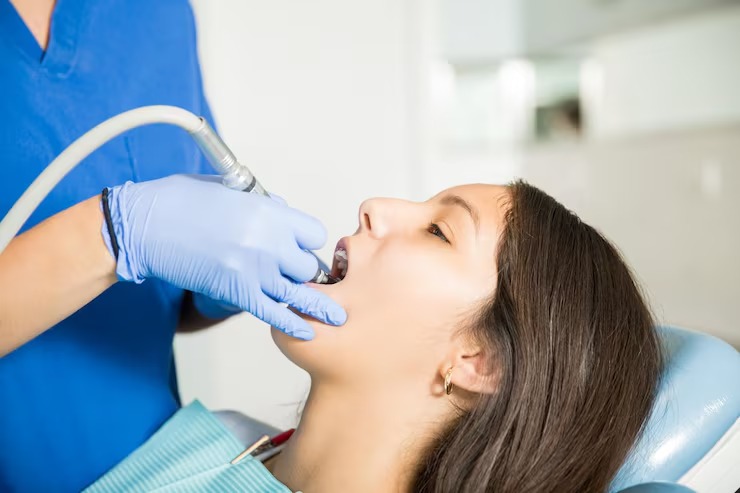
Losing a tooth doesn’t just change how your smile looks—it also affects how your mouth works when you eat. Many people find that visiting a trusted dentist in Saskatoon is the first step to enjoying meals again without pain or worry. When a gap exists in the dental row, the simple act of biting into an apple or chewing a piece of steak becomes a difficult chore. Over time, these challenges can lead to poor nutrition and a lack of confidence in social settings.
This blog explores the specific ways missing teeth impact your diet and how modern technology offers a permanent solution to get you back to your favourite foods.
The Hidden Struggle of Selective Eating
When a tooth is gone, the surrounding teeth lose their support system. This often leads to a habit called selective eating, where a person avoids hard, crunchy, or chewy foods because they are too difficult to process.
- Uneven Chewing: People often shift all their food to one side of the mouth to avoid the gap. This practice puts double the stress on the remaining teeth, causing them to wear down much faster.
- Digestion Issues: Digestion actually begins in the mouth. If food is not ground up properly by the teeth, the stomach has to work much harder, which can lead to bloating or indigestion.
- Nutritional Gaps: Often, the healthiest foods—like raw vegetables, nuts, and fibrous proteins—are the hardest to chew. If these are removed from the diet, the body misses out on vital vitamins.
Why Standard Fixes Sometimes Fall Short
In the past, bridges or partial dentures were the only ways to fill a gap. While these are helpful, they do not always restore full chewing power. Because dentures sit on top of the gums, they can slip or slide when dealing with sticky or tough foods.
Bridges require the neighbouring healthy teeth to be filed down, which can weaken them over time. These older methods also fail to address what is happening beneath the surface: the health of the jawbone.
How Dental Implants Restore Function
Choosing dental implants in Saskatoon provides a solution that mimics the biology of a natural tooth. A dental implant is a tiny titanium post that acts as a replacement root.
- Direct Connection to the Bone: The post is placed into the jaw, where the bone actually grows around it. That process creates a rock-solid foundation that will not move or wiggle.
- Full Chewing Power: Once the implant is topped with a custom crown, it provides 100% of the biting force of a natural tooth. You can bite into corn on the cob or a crisp carrot with total security.
- Stability for Neighbours: By filling the gap with a permanent post, the surrounding teeth stay in their correct positions and do not tilt or shift.
What’s Involved in Rebuilding Your Bite?
The journey to better eating takes a few steps, but the results are designed to last a lifetime. First, the dental expert checks the health of your jaw to make sure it is strong enough to hold the new post.
After the post is placed, a healing period is required. During this time, a process called osseointegration occurs, where the metal and the bone become one. Finally, a beautiful, tooth-colored crown is attached. Because the implant is anchored in the bone, it feels just like the tooth you were born with.
How Do Implants Protect Your Bone Health?
One of the biggest problems with a missing tooth is that the jawbone begins to shrink without a root to stimulate it. This condition can lead to a “sunken” look in the face. Implants are the only dental tool that stops this bone loss. By keeping the jawbone active and strong, implants protect your facial structure and ensure that your remaining teeth stay healthy for years to come.
Want to Keep Your Implant Healthy?
Maintaining an implant is much easier than dealing with removable pieces. You brush and floss it exactly like your other teeth. There are no special soaking solutions or messy adhesives needed. Regular checkups ensure that the gums around the implant stay healthy and that your bite remains perfectly aligned for comfortable eating.
Eat With Confidence Again
Our team understands that being able to eat your favourite meals is a vital part of your happiness. By focusing on advanced technology and gentle care, Mount Royal Dental provides the expert services needed to restore your smile and your chewing ability.
Book your appointment today.
FAQs
- How long does it take before I can eat normally after getting an implant?
While the post needs a few months to bond with the bone fully, you will be given specific instructions on soft foods to eat during the early stages. Once the final crown is attached, you can return to a completely normal diet immediately.
- Are implants better for eating than dentures?
Yes, because implants are anchored in the jawbone, they provide much more stability and strength. Dentures can sometimes slip while chewing, but implants stay locked in place just like natural roots.
- Does getting an implant hurt?
The area is completely numbed during the visit, so you will not feel pain. Most patients find that the recovery is very manageable and much easier than they expected.
- How long do dental implants last?
With good oral hygiene and regular visits to a dentist, an implant can last for the rest of your life. The crown on top might eventually need to be replaced due to normal wear, but the metal post is designed to be permanent.